HOME · WORKS · STUDIO · DOGME AI 25 · AI POLICY · COLLABORATE
FRIMAGE / PROJECT 001 / FILM & RESEARCH / IN DEVELOPMENT
Can an image feel real enough to be believed?
A short film as a perceptual experiment: how real can a synthetic image feel, and what happens when we believe it?
Realism is not truth. It is a perceptual experience — an impression shaped by details, gestures, continuity and cultural expectations.
STATUS / IN DEVELOPMENT
FORMAT / SHORT FILM + PERCEPTION RESEARCH
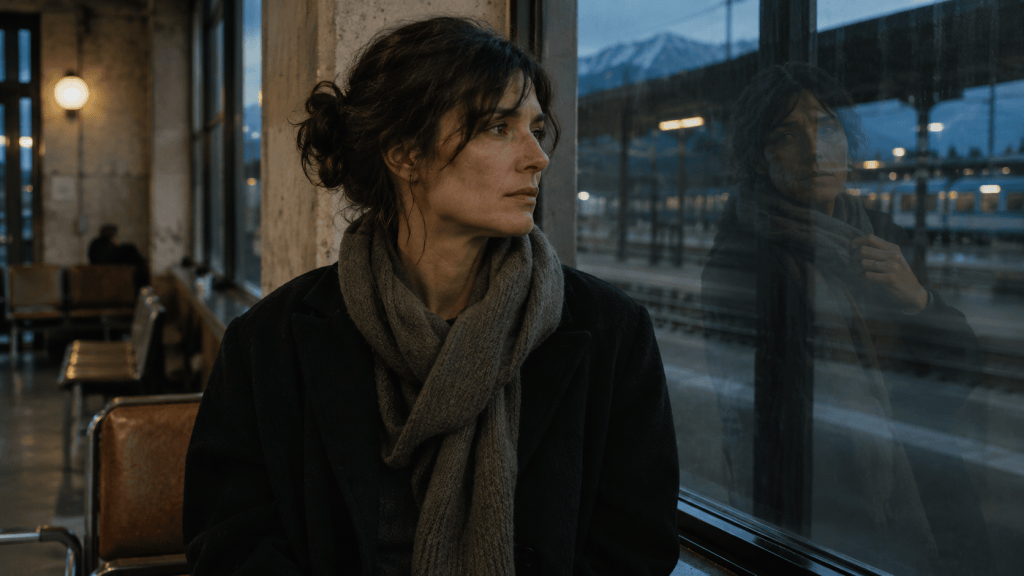
FIG. 01 / PERCEPTION TEST — Concept image. Not a frame from the finished film.
The film as an experiment
Original screenplay · written without generative AI.
Cineuropa is noted in the project’s development context. Its precise role and any formal credits will be specified once confirmed.
The project takes the form of a short film built around an original screenplay written without generative AI. The narrative places situations, presences and visual details in the service of a simple question: at what point do we stop looking at an image and start believing what it shows us?
Studying perception
The research examines the cues that make a scene feel credible to a viewer: micro-expressions, gaze, movement, bodily behaviour, material texture, light, reflections, perspective, spatial continuity and temporal coherence. It also looks at moments when an image feels convincing without necessarily being true.
- Which details create a sense of human presence?
- Which inconsistencies does the eye detect — and which does it accept?
- Do movement, sound and continuity change judgements of realism?
- How does trust shift when viewers know an image is synthetic?
A transparent method
The film will serve as an experimental site. Visual sequences and variants will be developed, documented and explored through viewer feedback. Responses may be gathered through interviews and exploratory questionnaires. Findings will be presented as situated observations, not as universal proof about human perception.
Why it matters
The project opens a discussion about trust in images, the documentary value of synthetic content, authenticity, attribution, artists’ labour, and the responsibilities of platforms and cultural institutions.

